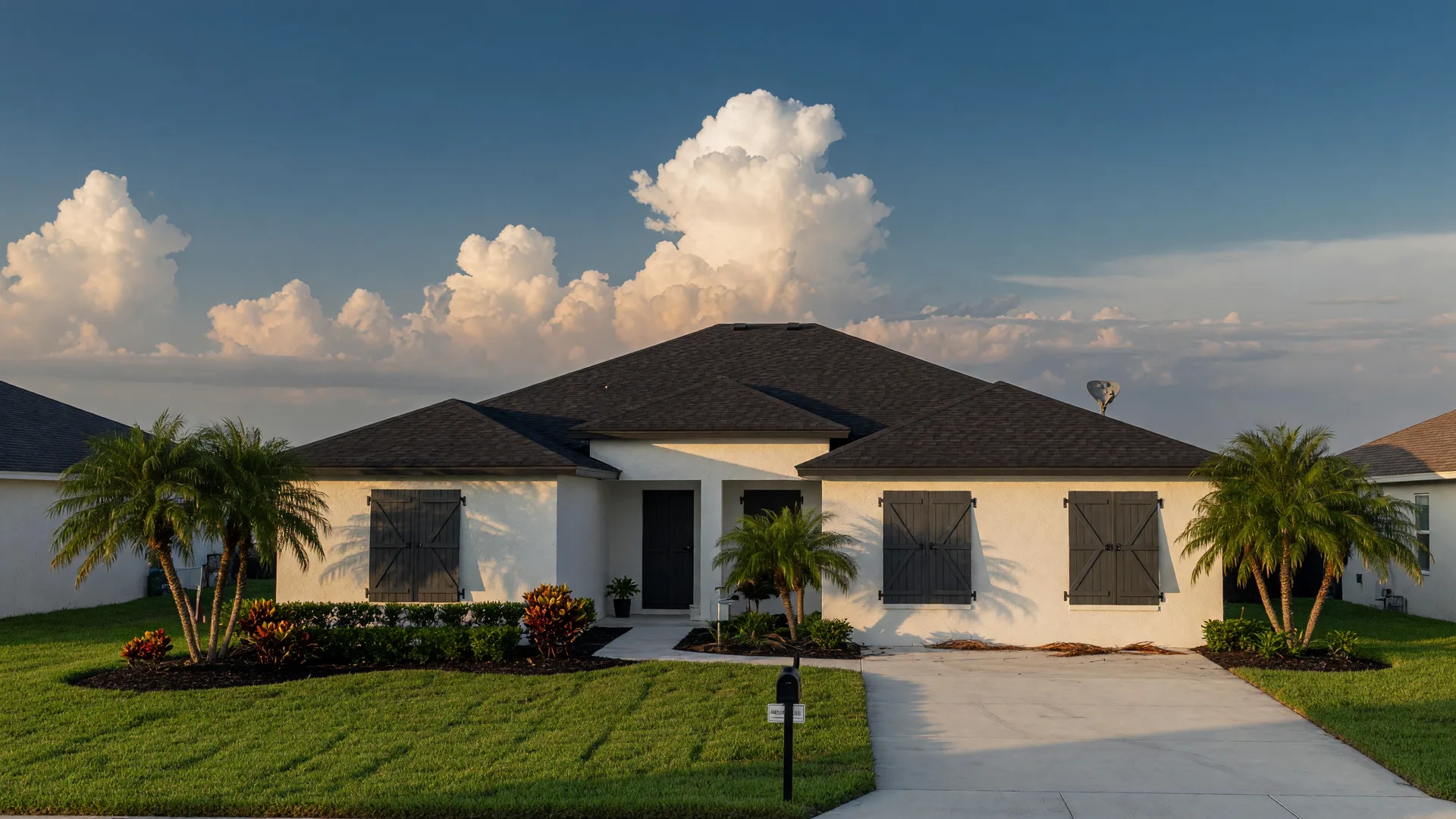
If you are selling a Tampa Bay home this fall, September is the month to take storm readiness seriously. The climatological peak of the Atlantic hurricane season lands right around September 10, and most named-storm activity happens between mid-August and mid-October. For sellers, that reality shapes everything from what buyers ask during showings to the paperwork you will hand over at closing.
We're Paul and Denise Virgadamo, a husband-and-wife team who have lived in Tampa Bay for over 45 years and closed more than 1,000 homes across Pasco, Pinellas, and Hillsborough Counties. We have guided sellers through plenty of storm seasons, and the ones who come out best are the ones who prepare in advance. Here is what hurricane season looks like this year, and the checklist we share with every seller this time of year.
What Does the 2026 Hurricane Forecast Actually Say?
The seasonal forecasts this year are, by Florida standards, relatively mild. NOAA's outlook called for a below-normal Atlantic season, projecting 8 to 14 named storms, 3 to 6 hurricanes, and 1 to 3 major hurricanes. Colorado State University researchers trimmed their forecast further over the summer, to 11 named storms, 5 hurricanes, and 2 majors, citing an emerging El Nino that tends to tear storms apart with wind shear.
Here is the part that matters: seasonal forecasts describe the whole Atlantic basin, not your street. They cannot say whether a given system will curve toward the Gulf. All it takes is one storm, and Tampa Bay has seen quiet seasons interrupted by late-season surprises. The smart approach is the same every year: prepare as if a storm is possible, keep your home in good shape, and be glad if nothing arrives.
Why Storm Readiness Is Part of a Smart Sale
Storm preparation and home sale preparation are the same job in Tampa Bay. Buyers here are savvier than any market we have seen, and their questions prove it. They want to know how old the roof is, whether the windows are impact-rated, what flood zone the property sits in, and what the home has been through in past storms. A home that looks storm-ready shows better, and gives buyers one fewer reason to write a low offer or ask for a credit.
Florida law is part of this too. Sellers must give buyers a written flood-risk disclosure before the contract is signed, covering flood zone status, flood insurance claims, current coverage, and any federal disaster assistance for flood damage. Recent state updates expanded that paperwork, so if you plan to sell, we can make sure your disclosures are accurate and your documentation is ready before a buyer ever asks.
The Seller's Storm-Season Checklist
Work through these items before you list, and you will handle storms and showings like a pro:
- Know your roof. How old is it, and what shape is it in? Roof age and condition are the biggest insurance and buyer questions for a Tampa Bay home. If replacement is on the horizon, addressing it before you list is worth far more than a price reduction later.
- Check the openings. Windows, doors, and the garage door are where storms get in. Impact glass or working shutters sized to fit, a garage door in good working order, and weatherstripping that seals properly all matter.
- Clean out the yard. Dead palms, loose branches, and unsecured deck furniture become hazards during a storm. Trim early, and keep the yard neat so it also photographs beautifully.
- Tend to gutters and ground. Cleared gutters and downspouts that carry water away from the foundation are quiet insurance for both storms and rainy-season homeowners.
- Document everything. Take dated photos and video of the interior, any upgrades, and the condition of the roof. Keep receipts for repairs, warranties, and maintenance. It is the file that answers buyer questions and proves the home was well kept.
What Insurance Reality Do Tampa Bay Buyers Ask About?
Homeowners insurance is the biggest budget surprise for newcomers, and the math is real. Florida's average annual premium is roughly three times the national average, with 2026 industry analyses estimating about $8,000 or more per year versus around $2,500 nationwide. For buyers arriving from out of state, chasing a Florida premium quote before they commit to a home has become standard.
There are also genuinely positive signs. Citizens Property Insurance, which many Floridians rely on, announced an average rate decrease of about 8.7% for 2026, a meaningful reversal after a decade of steep increases. State legislation now protects roofs under 15 years old from nonrenewal based on age alone, and flood insurance requirements are being phased in for federally backed home loans, starting with higher-value homes in 2026 and broadening in the year ahead. The direction of travel is steadier than it was a few years ago, but the lesson for sellers stands: roof health and stormproofing details translate into insurability, and insurability translates into offers.
If you are selling, gather a current insurance quote for your own home so you can answer buyer questions with facts, not guesses. Buyers often ask for an estimate in the first week, and a seller who has one ready looks like someone who has their act together.
What If a Storm Threatens During Your Sale?
The timing question is the one sellers dread: what happens if a storm is tracking toward Florida while your home is under contract, mid-inspection, or scheduled to close. The answer starts with communication. Your listing agent, the buyer's agent, title company, and lender all benefit from a clear plan, and experienced guidance keeps a deal from falling apart over a storm threat.
Concretely, that means three things: keep your family and home as safe as conditions allow, including installing those shutters and clearing loose items; keep your agent informed about inspection and closing dates and the property condition; and expect finance and disclosure questions to pick up as closing approaches. With an experienced local team, none of those questions feel new.
A Neighborhood-by-Neighborhood Look
The storm conversation looks different across the communities we serve, and we know the territory street by street. In Trinity, newer subdivisions built to current building codes tend to include impact windows and elevation standards that put buyers at ease. In Odessa, inland estate lots on acreage usually mean lower storm risk plus room for yards, gardens, and storage. Along the New Port Richey coastline and the Cotee River corridor, waterfront comes with responsibilities, flood zones, and coastal insurance, so buyers there need to know their zone. And in Tarpon Springs, pier-adjacent and waterfront listings reward owners who have documented their elevation and flood protections.
There is no one-size answer, and that is the point. A home that is turnkey in Trinity is not the same as a fixer-upper near the Cotee River. We can walk you through what buyers in each community are really asking, and what to fix first on your own street.
The Bottom Line from Team Virgadamo
Hurricane season is a fact of life in Tampa Bay, and it is also an opportunity. The sellers who treat it as part of their listing strategy, roofs, openings, drainage, disclosures, and insurance documentation, turn the fear of the storm into a quiet advantage. Storm-ready homes photograph better, show better, and sell faster.
Who you hire truly matters. We've lived here for over 45 years, closed over 1,000 homes, and walked our clients through every kind of market. Whether you are listing next month or planning ahead, we will tell you straight what to fix, what to disclose, and what buyers in your community are asking for. We Live, Love & Sell Tampa Bay!
Have a Tampa Bay home question?
Let's walk through storm readiness, insurance, and market timing together. Schedule a free, no-obligation consultation with Paul and Denise Virgadamo.
Explore our communities: